American Football Player, Blue Red: A Designer's Review
When evaluating a new machine embroidery design for my studio, I look past the digital preview and immediately imagine how it will behave under the needle. The American Football Player, Blue Red design caught my attention not just because sports themes are perennial sellers, but because this specific colorway suggests a bold, graphic aesthetic that demands precision. As a designer who creates both custom client pieces and inventory for my own shop, I need to know if a file is merely attractive on screen or if it translates into a high-quality finished product that customers will actually want to buy and wear.
First Impressions and Visual Personality
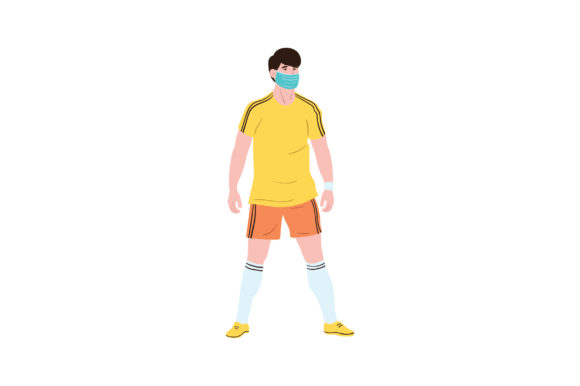
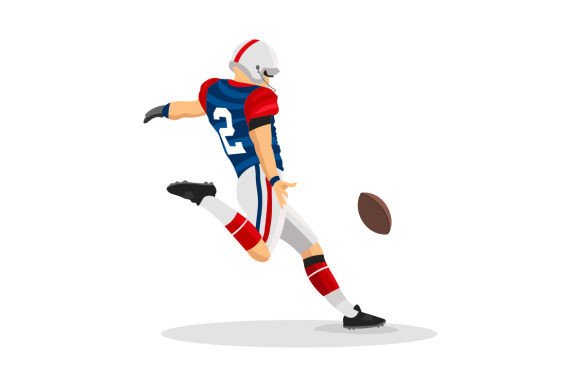
My initial assessment of American Football Player, Blue Red focuses on its visual hierarchy. The combination of blue and red is classic in the Sports category, evoking team spirit and athletic energy without being tied to a specific trademarked franchise. This neutrality is crucial for Etsy sellers and small business owners who need versatile assets. The design appears to rely on strong silhouettes and color blocking rather than hyper-realistic shading. For an embroidery project, this is often a positive indicator. Designs with excessive gradient fills can become dense and stiff, whereas graphic, shape-driven layouts tend to stitch out more cleanly on a wider variety of fabrics.
The mood here is energetic yet structured. It feels like a design meant for visibility from a distance, making it ideal for sideline gear or fan apparel. However, as a reviewer, I am also noting the balance between the two dominant colors. In digital files like SVG or EPS, colors can sometimes appear flat. When converted to thread, the interplay between the blue and red sections will define the depth. If the transition areas are well-digitized, the player figure will pop; if they are poorly mapped, the design could look disjointed once stitched.
Real-World Application: Stitching a Custom Sweatshirt
To truly judge this asset, I mentally placed it in a real-life scenario: creating a custom unisex sweatshirt for a local youth league fundraiser. This is a common request for craft businesses and requires a design that balances durability with comfort. A heavy, bulletproof vest of stitches on a soft fleece sweatshirt is a recipe for customer returns.
In this context, American Football Player, Blue Red needs to perform as a centerpiece. I would likely position it on the left chest or centered on the back. Because sweatshirts have a textured surface, the design’s edges must be crisp. If this file includes satin stitch borders around the player’s jersey or helmet, I would check the width carefully. On fleece, satin stitches narrower than 2mm can get lost in the fabric pile, while those wider than 6mm risk snagging during washing. Ideally, this design utilizes a combination of fill stitch for the body and clean running stitches for internal detail to maintain flexibility.
For this specific project, I would also consider whether the design works as an applique design. If the blue and red sections are large solid blocks, converting them to applique could save thousands of stitches and result in a softer garment. Even if the provided files are standard embroidery formats, knowing the design’s structure allows me to modify it effectively for custom apparel applications where comfort is paramount.
Fabric Compatibility and Technical Caution Zones
Not every digital embroidery file is universal, and American Football Player, Blue Red has specific limitations based on its color contrast and probable density. While it shines on white, grey, or navy garments, I would exercise extreme caution using it on dark black or bright red fabrics unless the design includes a dedicated white underlay or outline. Without that separation layer, the red thread will vanish into a red shirt, and the blue may look muddy against black.
Stretchy performance fabrics present another challenge. Athletic wear is popular for this theme, but knits distort easily. Before stitching this player design on a jersey or performance tee, verifying the stitch density is non-negotiable. High-density fills combined with the natural stretch of the fabric can cause tunneling or puckering that no amount of steaming can fix. I always recommend testing on a scrap of the exact garment material first. Use a cutaway stabilizer rather than tear-away for any stretch application to ensure the registration between the blue and red elements stays aligned after the hoop comes off.
Small items like caps or baby onesies require resizing scrutiny. If you scale American Football Player, Blue Red down significantly for a baby embroidery project or a hat logo, fine details may merge. Always inspect the smallest intended size in your software before stitching. Tiny lettering on a jersey or facial features may need to be simplified or removed entirely to prevent thread breaks and bird nests.
Commercial Viability for Makers and Sellers
For those running a handmade product business, versatility equals profitability. This design’s distinct color palette makes it excellent for creating cohesive collections. I can envision it paired with matching tote bag designs for game-day bundles or used as a recurring motif across holiday embroidery gifts like stockings or ornament covers. The "Blue Red" specification acts as a built-in branding element, allowing shop owners to create a signature look without infringing on licensed team logos.
However, professional presentation relies on accurate representation. When listing items featuring this design, avoid relying solely on the digital mockup. Customers trust sellers who show actual stitch-outs. Take photos of the design on different textures to demonstrate how the thread sheen interacts with the fabric. This transparency builds buyer confidence and reduces disputes regarding color accuracy or texture expectations.
Furthermore, verify your licensing. Just because you possess the SVG, PNG, EPS, or DXF files does not automatically grant permission for unlimited commercial reproduction. Confirm whether the license covers physical commercial embroidery sales, digital redistribution, or print-on-demand usage. Protecting your business means respecting intellectual property boundaries while maximizing the utility of your purchased design assets.
Essential Pre-Stitch Checklist for Designers
Before loading American Football Player, Blue Red into your machine for a paid order or final prototype, run through this practical evaluation list:
- Verify File Integrity: Ensure the embroidery-specific file (not just the vector SVG) is compatible with your machine brand and hoop size.
- Contrast Check: Test the design on both light and dark scraps to confirm visibility and edge definition.
- Density Audit: Review the stitch count relative to the size. If it exceeds 1,000 stitches per square inch, consider reducing density for wearable items.
- Stabilizer Match: Select stabilizer weight based on the fabric, not the design alone. Heavy designs on light fabric require heavier backing.
- Color Sequence Review: Check the digitizer’s color order. Sometimes optimizing the sequence can reduce trims and improve alignment between the blue and red sections.
- Wash Test: For items like kitchen towels or baby clothes that face frequent laundering, wash a test swatch to ensure the stitches don’t pull or distort.
- Mockup Reality: Compare your digital preview against a physical sample. Adjust marketing photos to reflect true thread colors, as screen RGB rarely matches polyester or rayon thread perfectly.
Ultimately, American Football Player, Blue Red offers a strong foundation for Crafts and sports-related merchandise, provided it is treated with technical respect. By understanding its behavior on different substrates and preparing accordingly, you transform a simple digital file into a premium, sellable asset that reflects the quality of your craftsmanship.